
Side effectsNov 9, 2026
Does the Wegovy pill cause thyroid cancer?
A boxed warning built on rodent studies, two conditions that rule the pill out, and four signs the label asks you to report.
Oral semaglutide · Novo Nordisk
A once-daily semaglutide tablet for weight management, in US pharmacies since January 2026. Everything on this page comes from the prescribing information and the manufacturer's patient pages, revision by revision.
The Oolite team, from the FDA labels. Sources checked Sep 28, 2026.
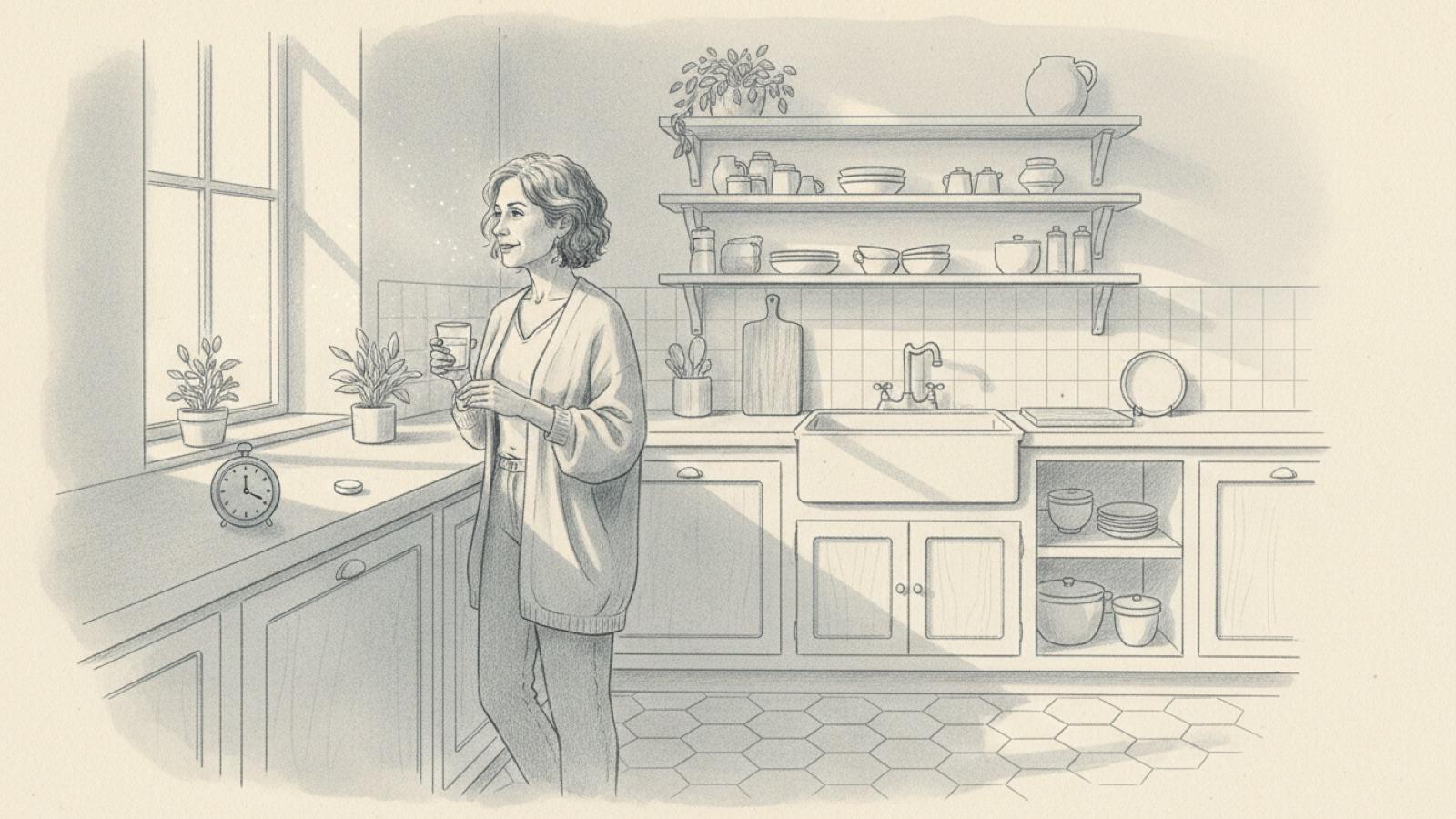
Every morning, on an empty stomach, with a sip of plain water. Then nothing else for at least half an hour.
From the labelTake WEGOVY tablets orally once-daily on an empty stomach in the morning with water (up to 4 ounces). Do not take with other liquids besides water. After taking WEGOVY tablet wait at least 30 minutes before eating food, drinking beverages or taking other oral medications.
Four strengths, 30 days each before the next: 1.5 mg, then 4 mg, then 9 mg, then 25 mg, the maintenance dose. The label allows a step to be held longer when it is not tolerated.
From the labelInitiate WEGOVY tablet with a dosage of 1.5 mg once daily for 30 days. Then follow the dosage escalation schedule, titrating every 30 days to achieve the maintenance dosage. If patients do not tolerate a dose during dosage escalation, consider delaying dosage escalation.
From the labelIf a dose of WEGOVY tablets is missed, skip the missed dose and take the next dose the following day.
Semaglutide has an elimination half-life of about one week. Taken once a day, the level settles after four to five weeks on the same strength.
From the labelWith an elimination half-life of approximately 1 week, semaglutide will be present in the circulation for about 5 to 7 weeks after the last injectable dose of 2.4 mg or 7.2 mg or oral dose of 25 mg.
This page is information, not medical advice. Read the medical disclaimer.
The half-life above, turned into a curve you can play with: the pill level chart, eight weeks of mornings, tap the ones you missed.
A boxed warning built on rodent studies, two conditions that rule the pill out, and four signs the label asks you to report.
Pain that stays, sometimes reaching the back. What the label counted, and what it asks you to do.
The label's answer is not a pause but a sentence to say out loud: tell every provider before the procedure.

One point three percent against zero point four. What the label measured, who it was more frequent in, and the fluid link.

The label tested omeprazole and reflux disease with the tablet. What it found, and the 30 minutes that still apply.
One tablet a day is the rule. What the label says about too much, and the number it gives.
Tested in the label's own study, no clinically significant change. Why Foundayo has a backup rule and the Wegovy pill does not, and the 30 minutes that still apply.

Comparable on average, wider from one person to the next. The one pair the label matches, and the doses it leaves without an equivalent.
The approval, the pharmacies, the three million scripts, the two other tablets. The first year's dates, sourced.
The Medication Guide's own list: pancreatitis, gallbladder, dehydration, thyroid, allergy, low blood sugar. Word for word, nothing added.
The tablet label is silent, the injection label is not, and the modelled level after three weeks off is about an eighth. What to bring to the prescriber.
Five to seven weeks for the drug to leave, says the label. A year, in the injection trials, for two thirds of the change to return.
The days on the step, the stomach by week, the missed mornings, the other tablets. What the label's decisions are made of.
Same list, same rates, says the label, with one effect the tablet has more of and one number it has more variation in.
What the label says the first month is, and is not. The strength, the climb, the stomach, and the ritual to learn.
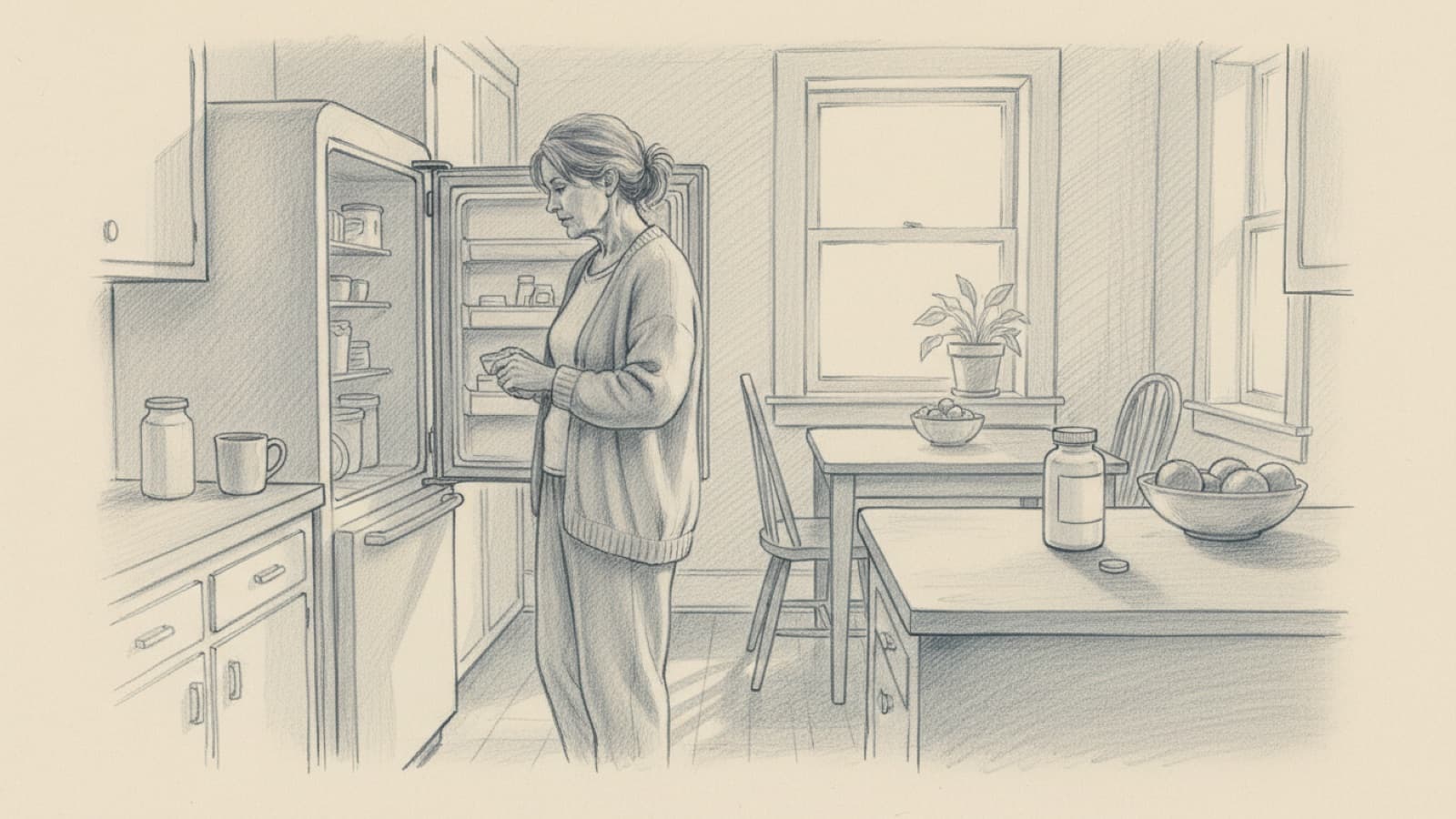
Why the third week feels like a fade, what the label says a step is for, and the one number that explains the timing.

Two months before trying, says the label, and a different rule for breastfeeding on the tablet than on the injection.

Lower and more variable concentrations, says the label, and a reason to consider the injection. Plus the low blood sugar numbers.
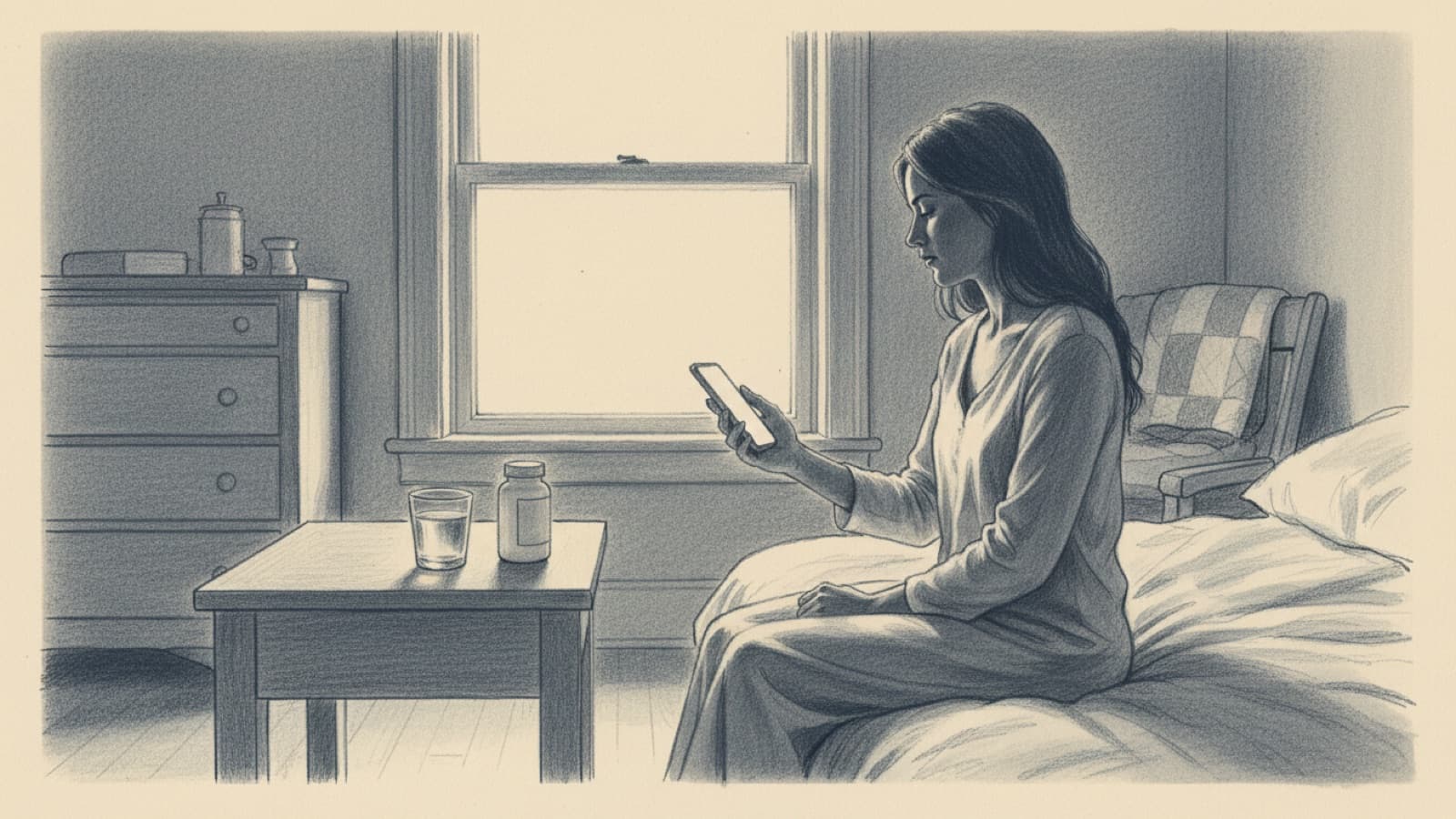
The routine that gives the coffee back. What the label asks for, what it says about the fast, and the two things that go wrong.

Two and a half percent versus one, the tablet's own figure. The four signs the Medication Guide asks you to call about.
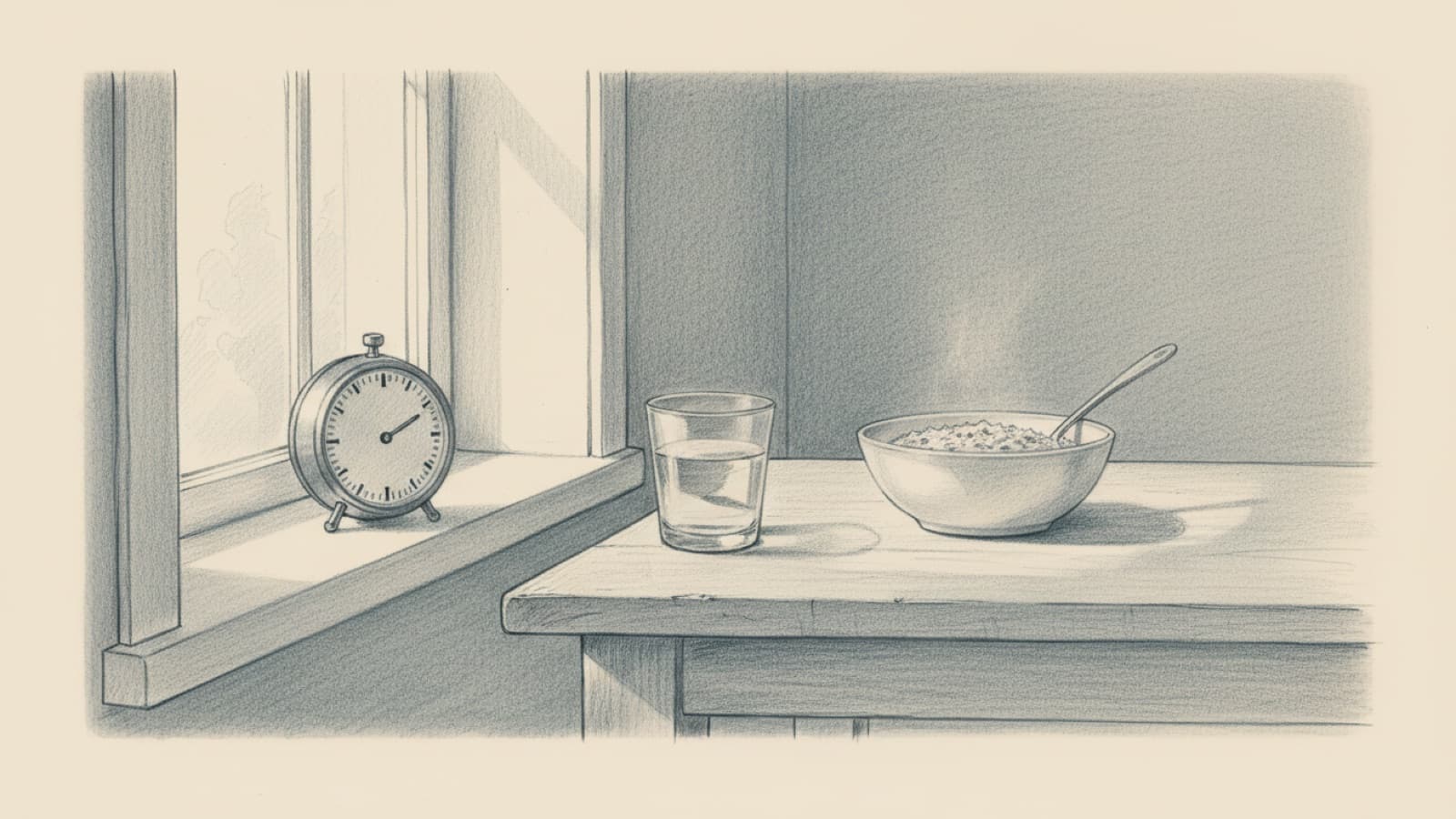
At least 30, says the label. What 60 and 120 minutes measured, and why the label stopped at 30.
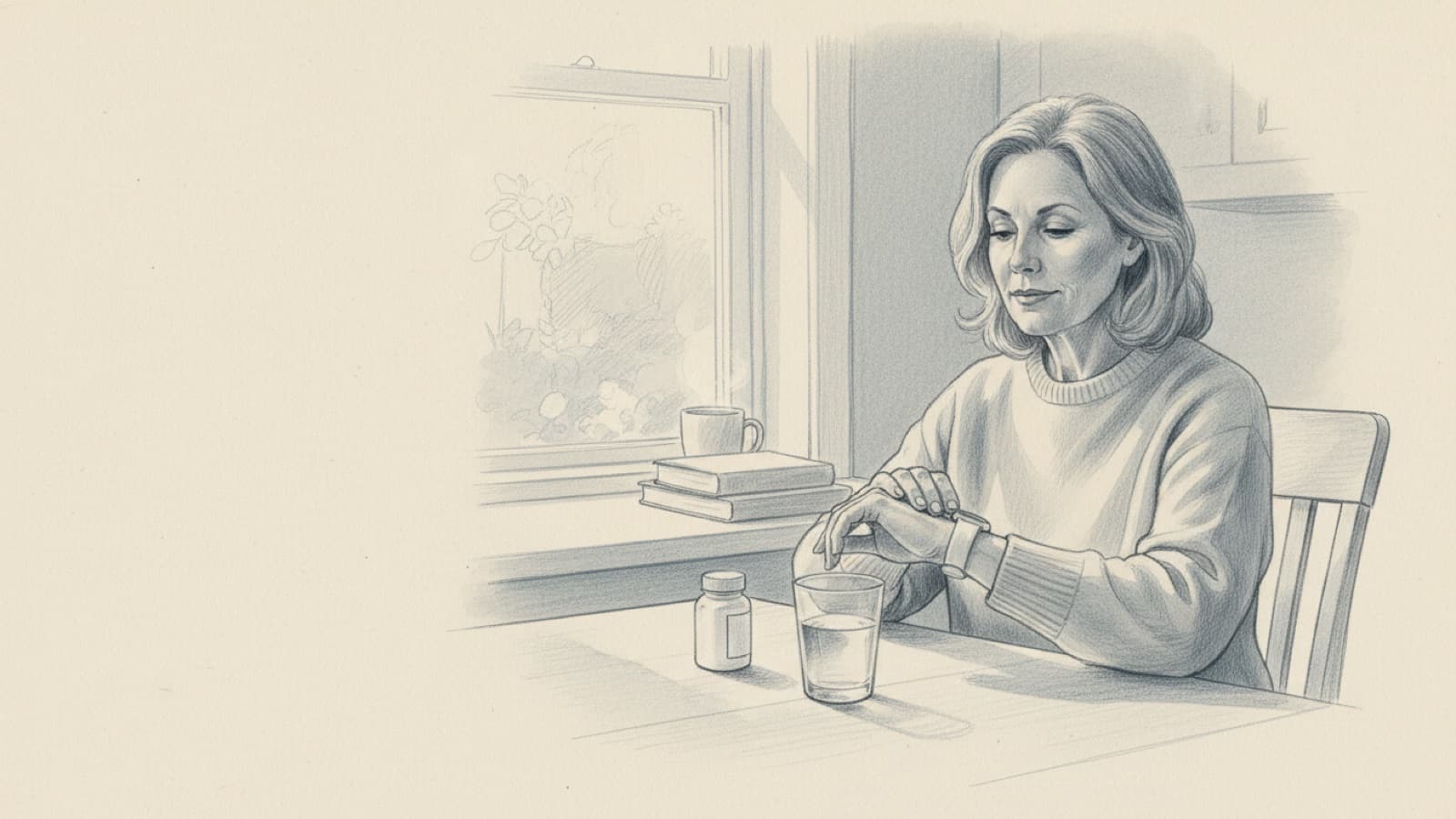
One to four beats on average, a bigger jump in one person in four. What the label measured and what it asks you to report.
One week after the last injection, 25 mg the next morning. The label's two rules, and the sentence about variability.
The label says once daily and nothing else. What an alternating schedule does to the level, and who gets to write one.
Three percent versus one on the label, and the sentence from the other pill's label that explains where it comes from.
Swallow whole, says the label. Why a tablet that already delivers 1 to 2 percent is not one to improvise with.

One sip with the tablet, then nothing until the timer. Why the label counts water as a beverage after the pill.
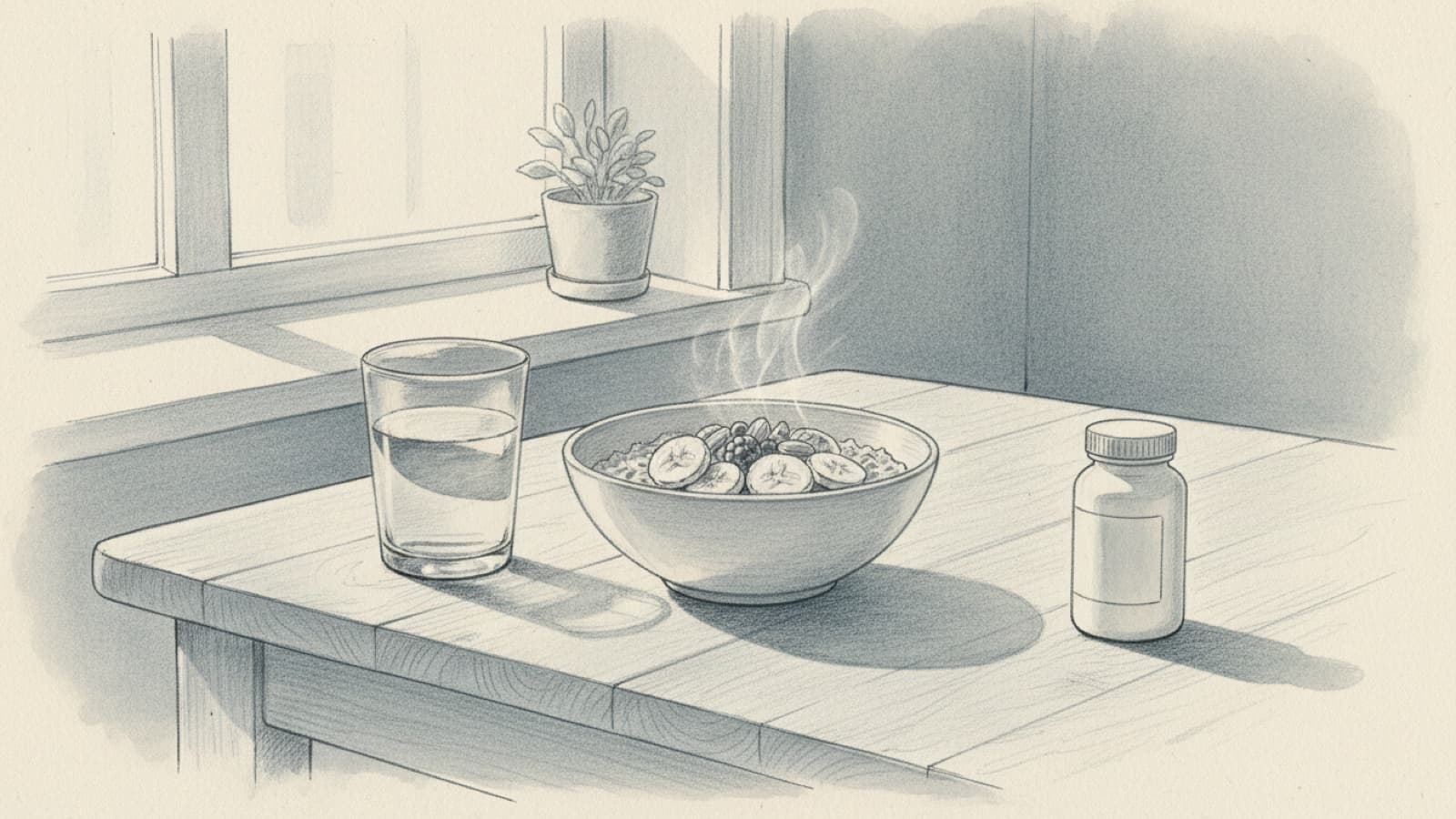
A slower stomach, says the label, and the three effects that follow: constipation, reflux, indigestion, with their rates.
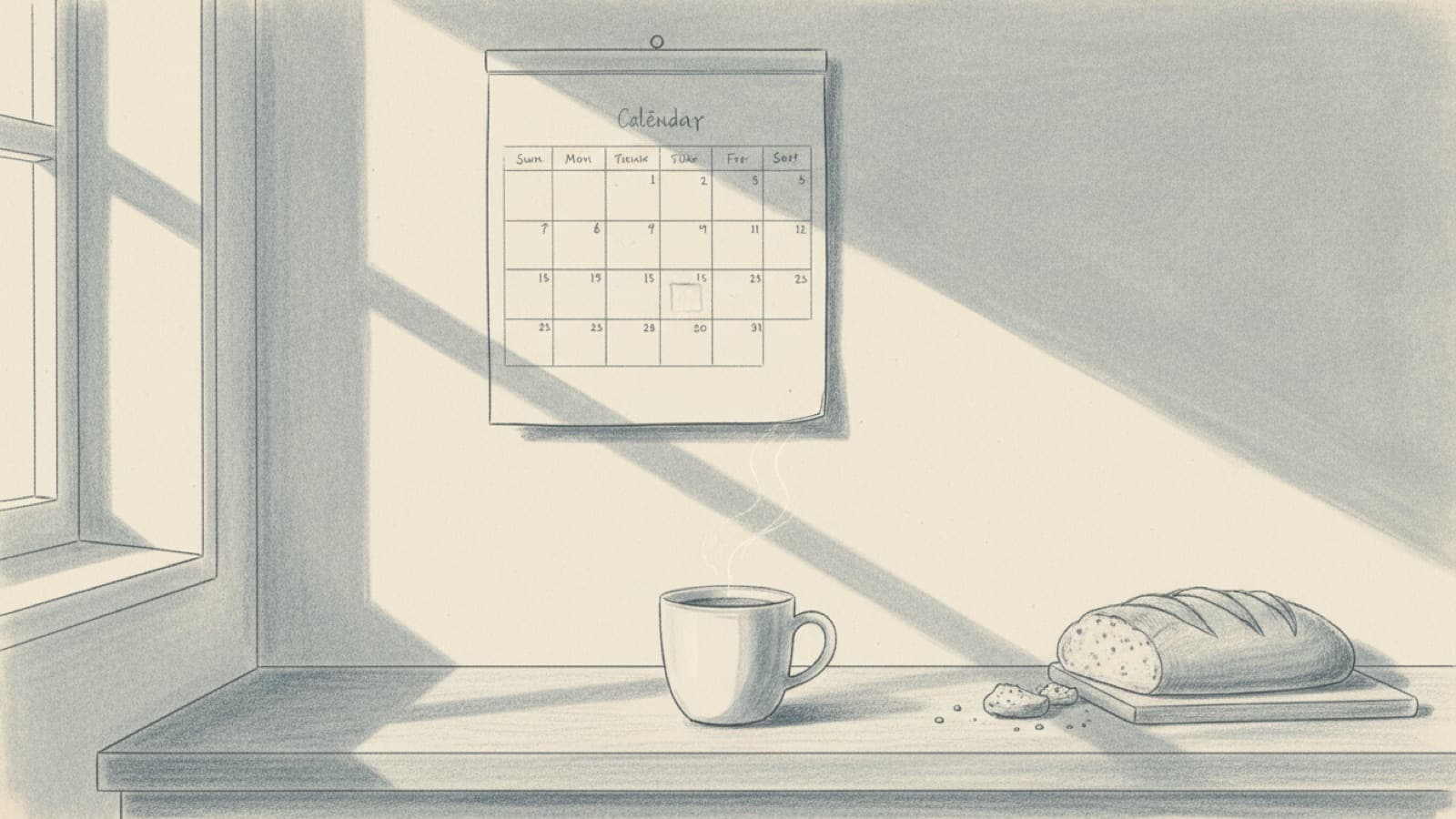
About 9 percent, and the gap halves each week. What one skipped day does in a model built on the label's half-life, and what the label says about choosing to skip.

Eleven percent versus five, says the label. The effect people are least prepared for, and what the label does and does not say about it.

The most common side effect, the numbers the label reports, and the two things it says to do about it.
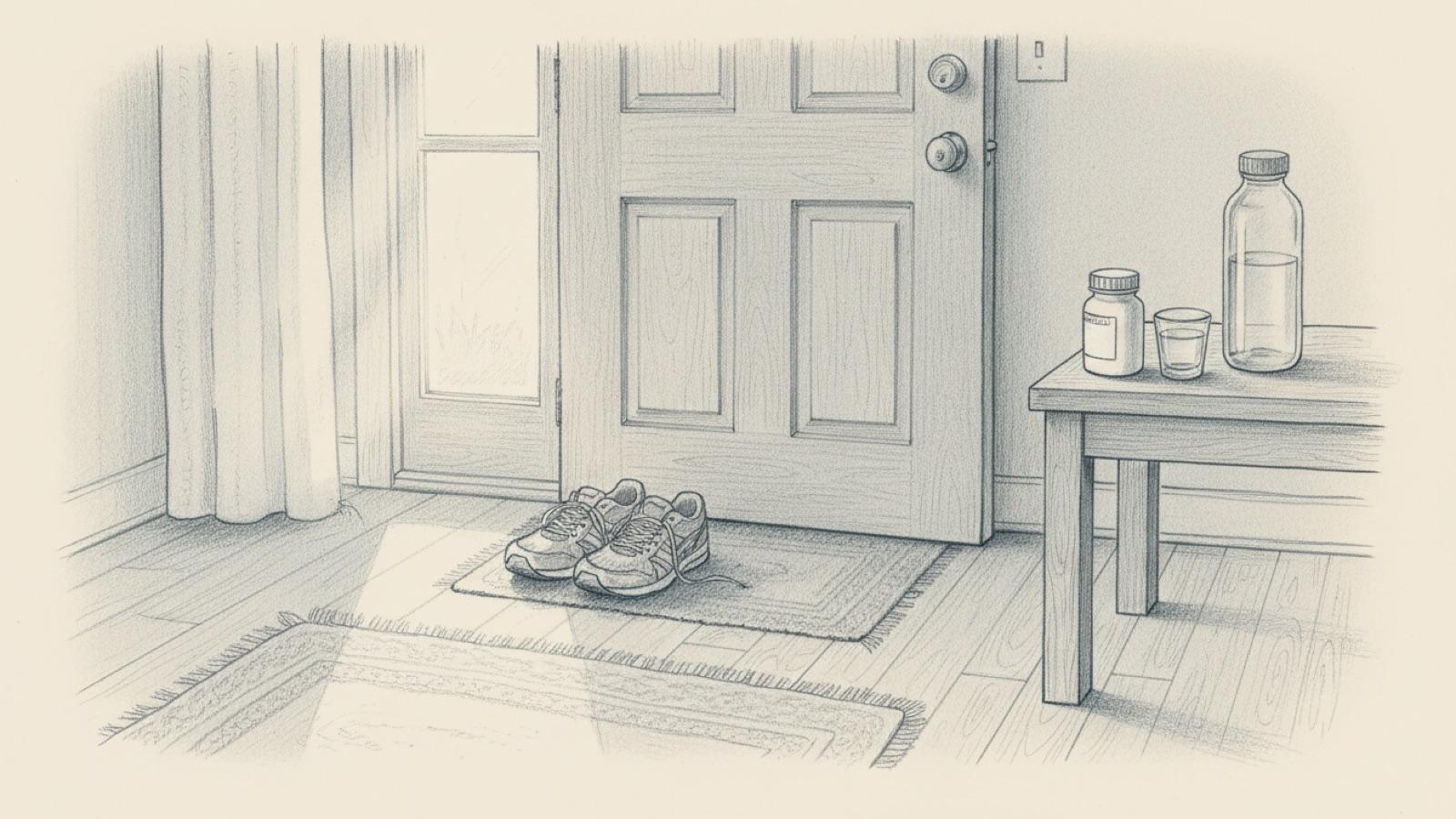
The gym does not change the label. The tablet, the sip, the 30 minutes, then the water bottle.
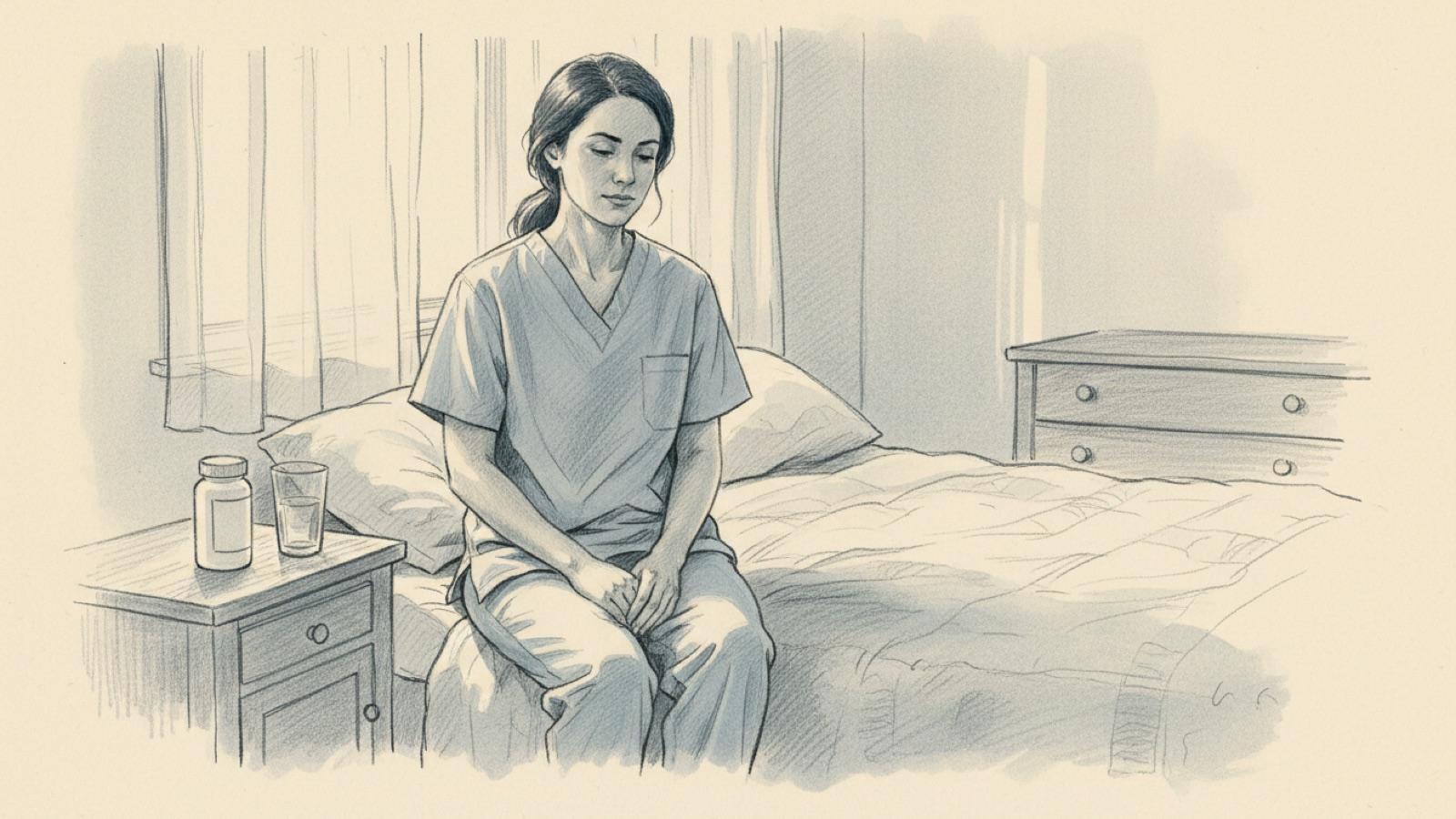
The label says morning and empty stomach, not seven o'clock. What the short-fast data says, and what to ask your prescriber.
Time zones, hotel breakfasts, the bottle in the suitcase. What the label asks for, and the one thing it never mentions.
The label wants the tablet in its bottle until the morning it is taken. Here is why, and what people use instead.
Thirty days a step, why the label escalates, and the two exits it writes down.
Same tablet, a schedule that stops at 4 mg. What the plan is, what the label says a step is for.
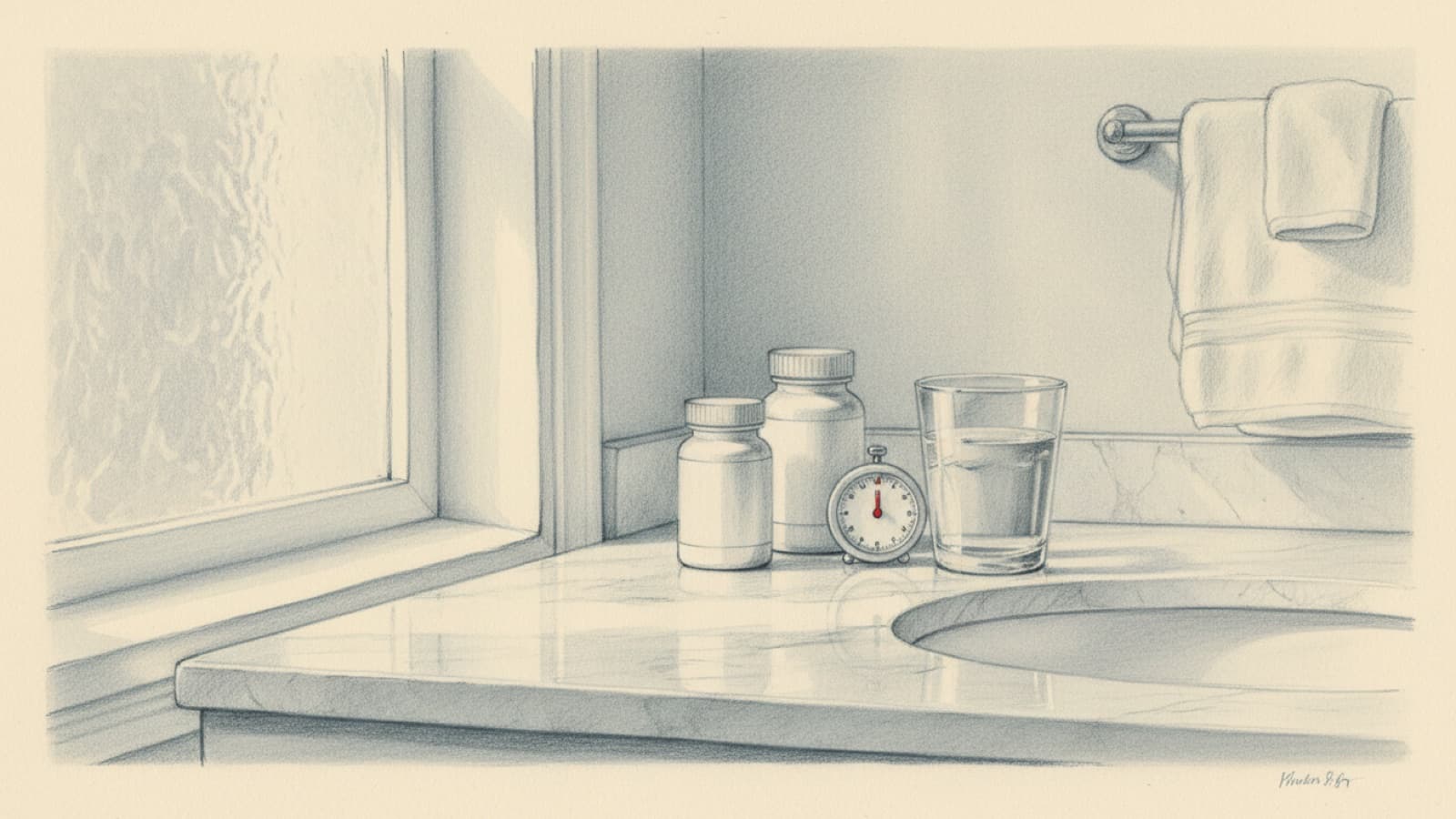
The pill first, 30 minutes, then the rest. And the 33 percent the label reports for levothyroxine.
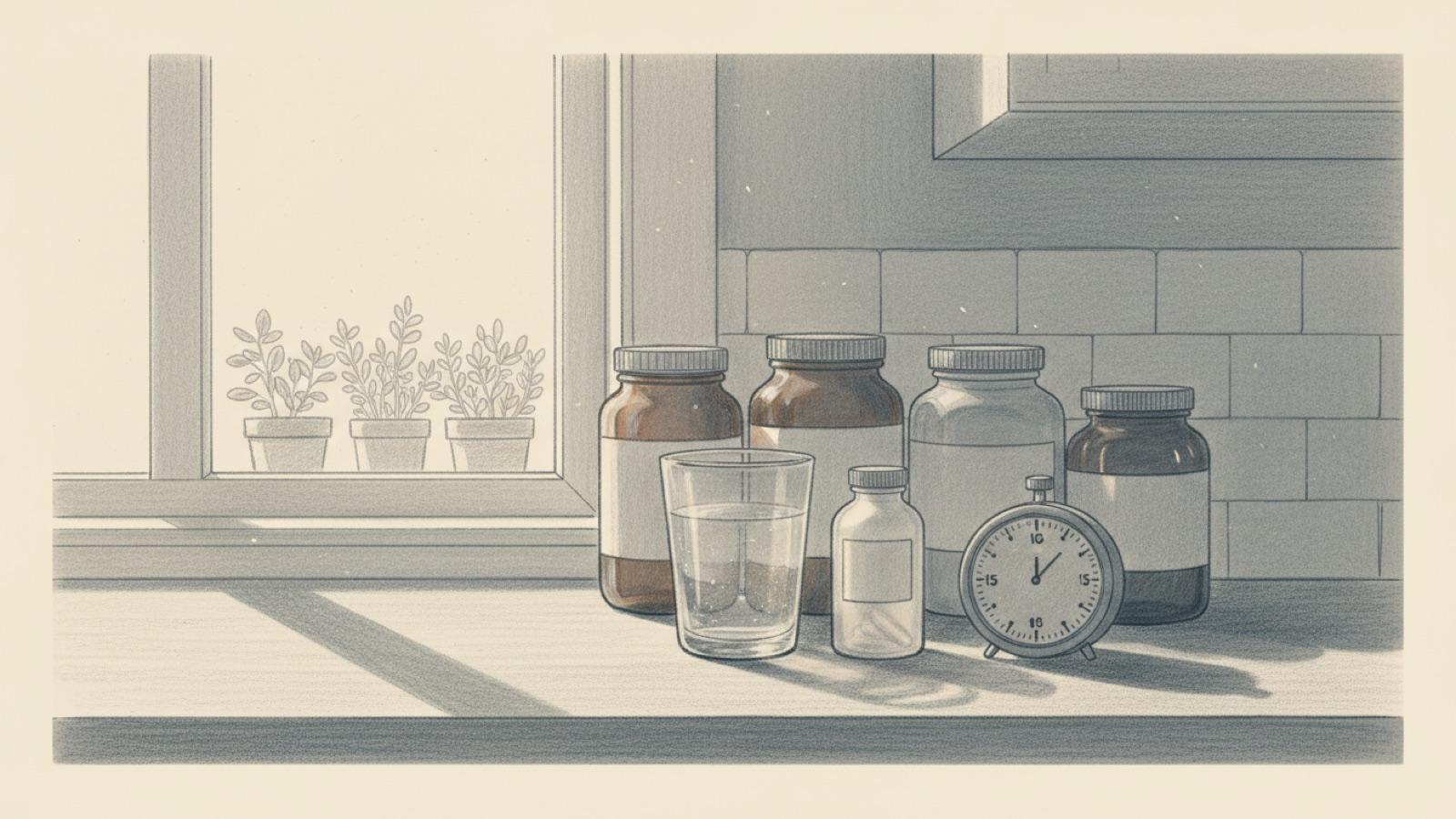
Fibre, collagen, magnesium, the multivitamin: all of it waits 30 minutes, and the label's reason why.
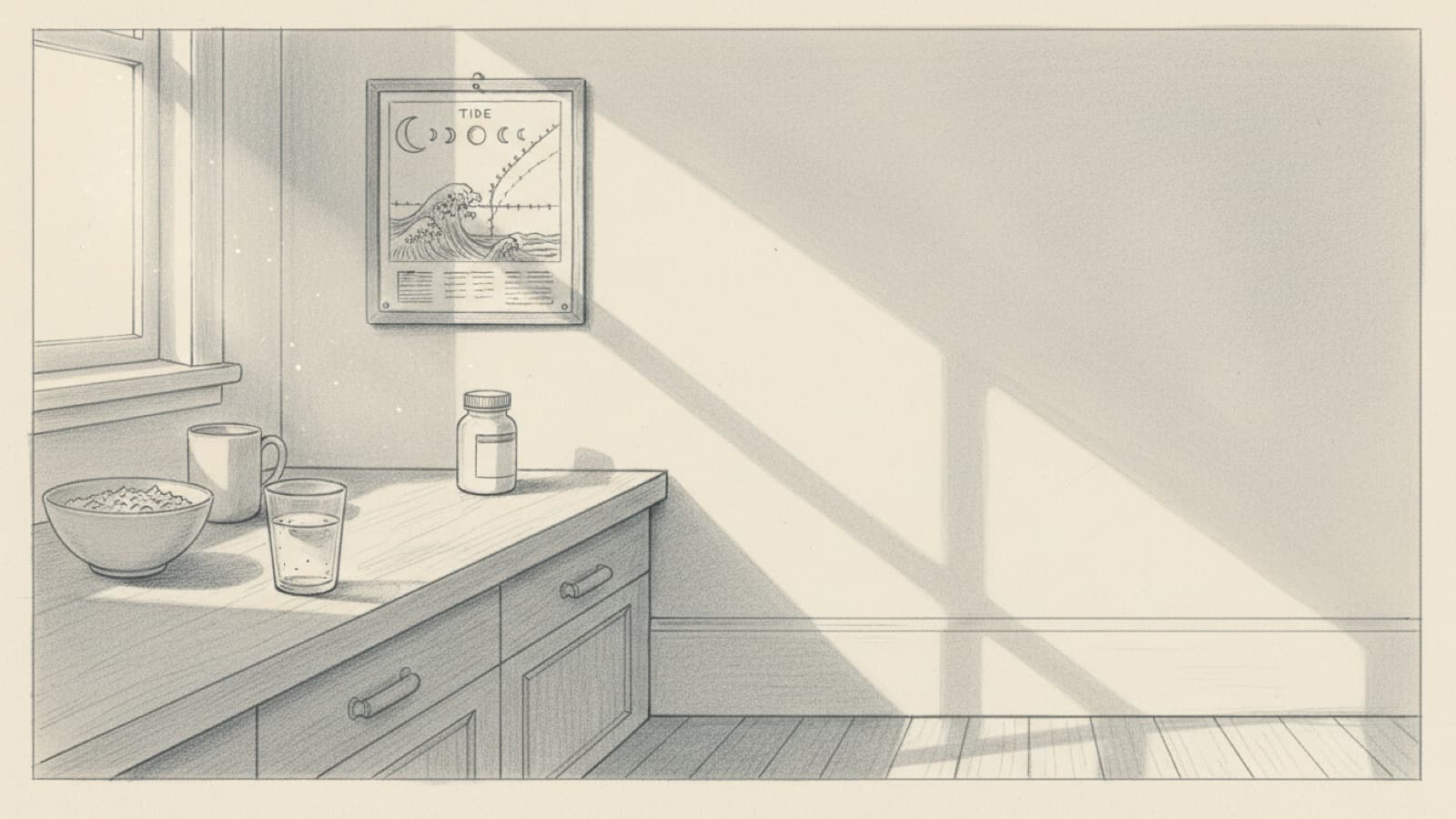
A one week half-life, five to seven weeks to clear, four to five weeks to build. The label's numbers, drawn.

A sevenfold spread in the label's own numbers. Why the tablet varies more than the injection, and what it means for comparing notes.
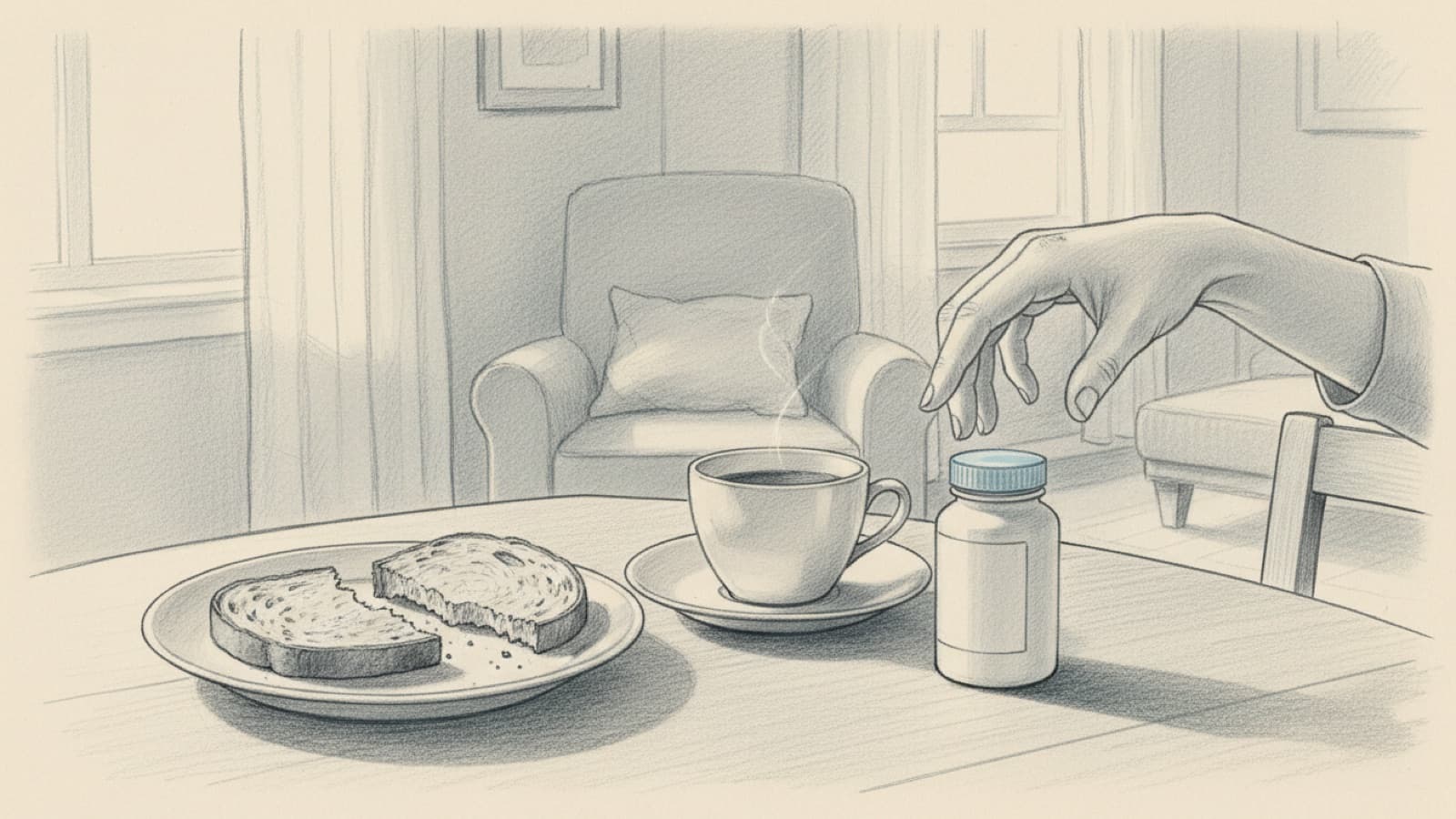
Not a second tablet, not a wasted week: what the label and the food study say about the one morning that went wrong.
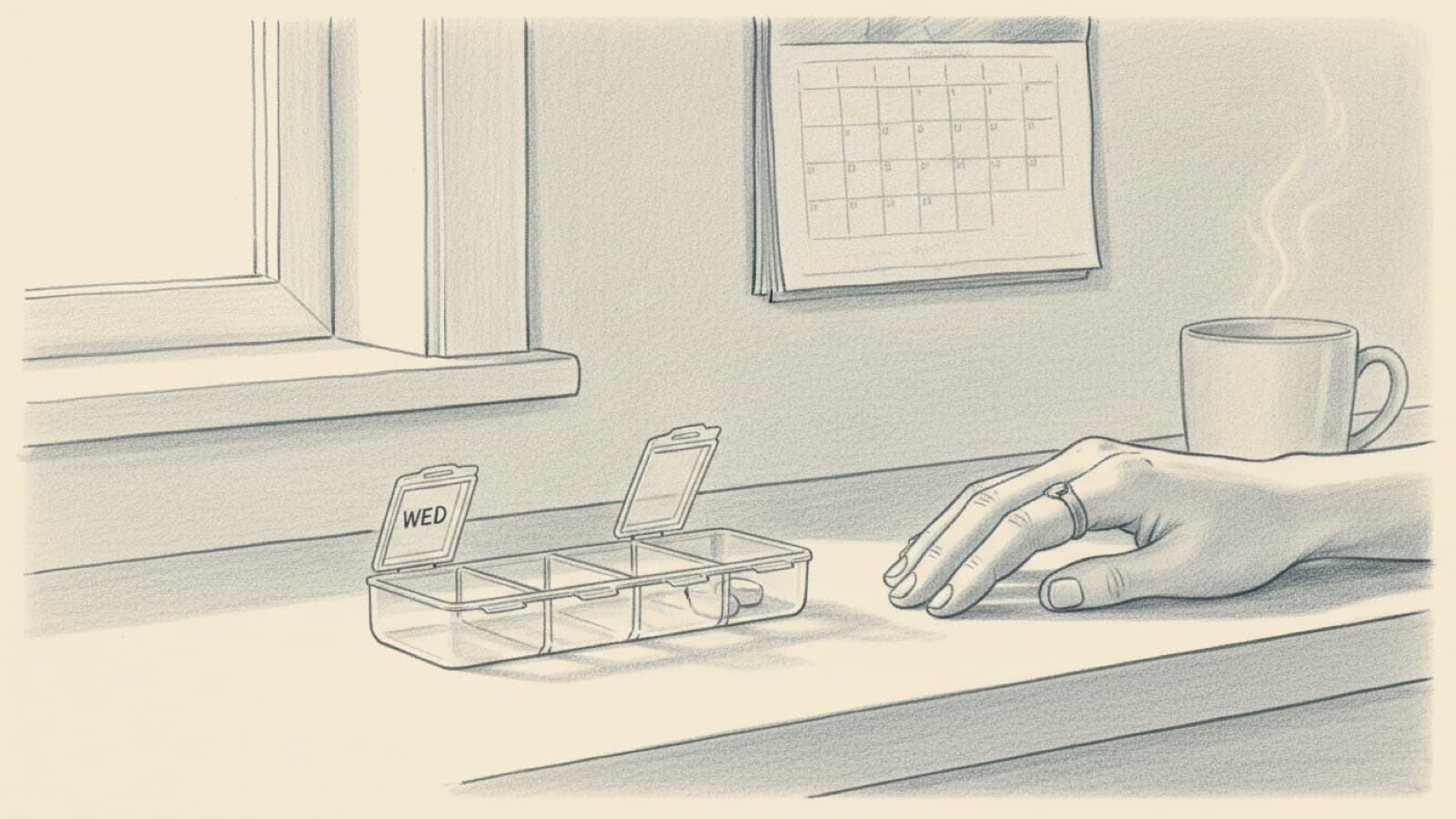
Skip it, take the next one tomorrow. The label's sentence, and what one day does to the level.
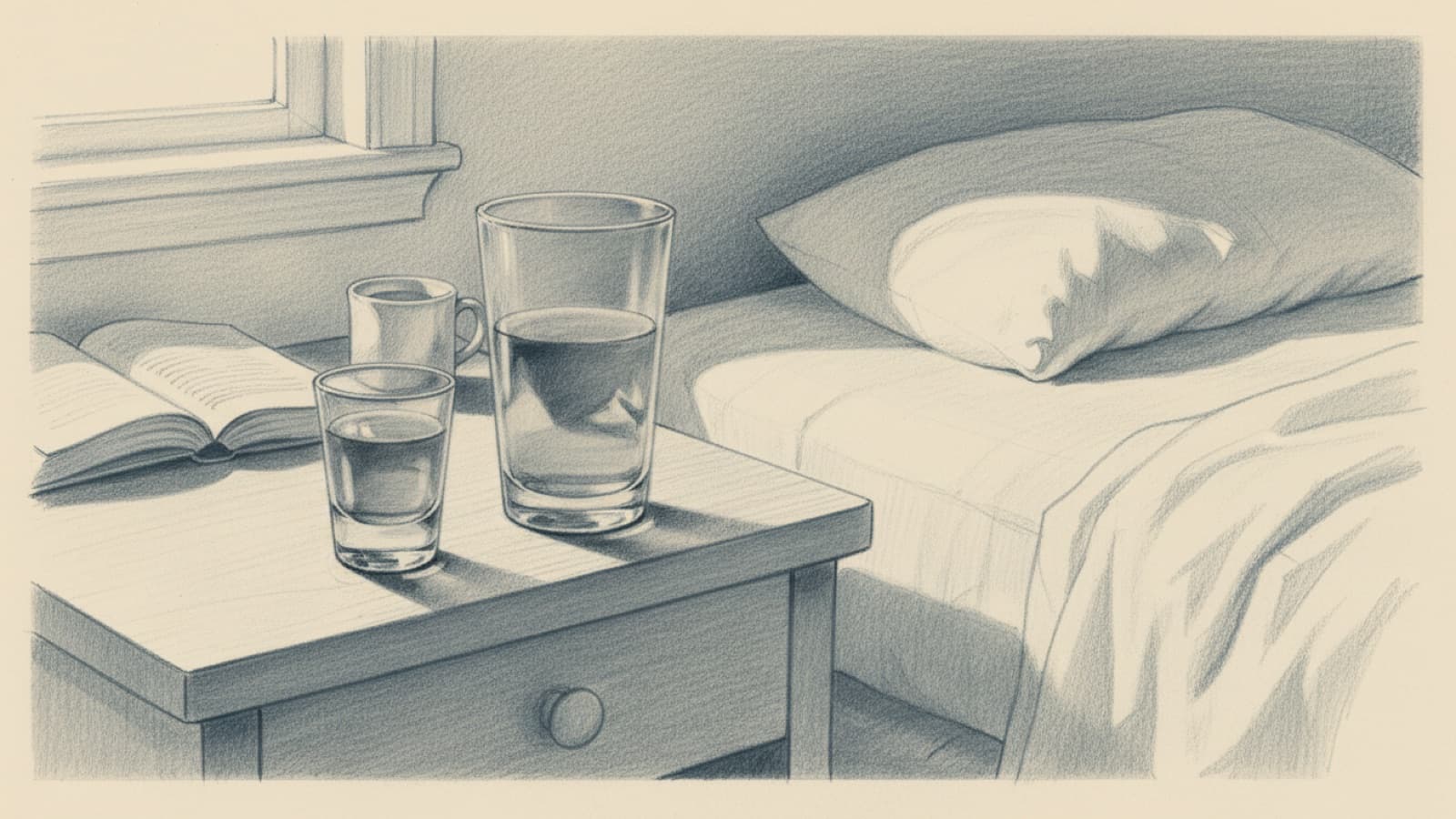
A third of a glass, two and a half shot glasses, 120 millilitres. Where the ceiling comes from and how people measure it.
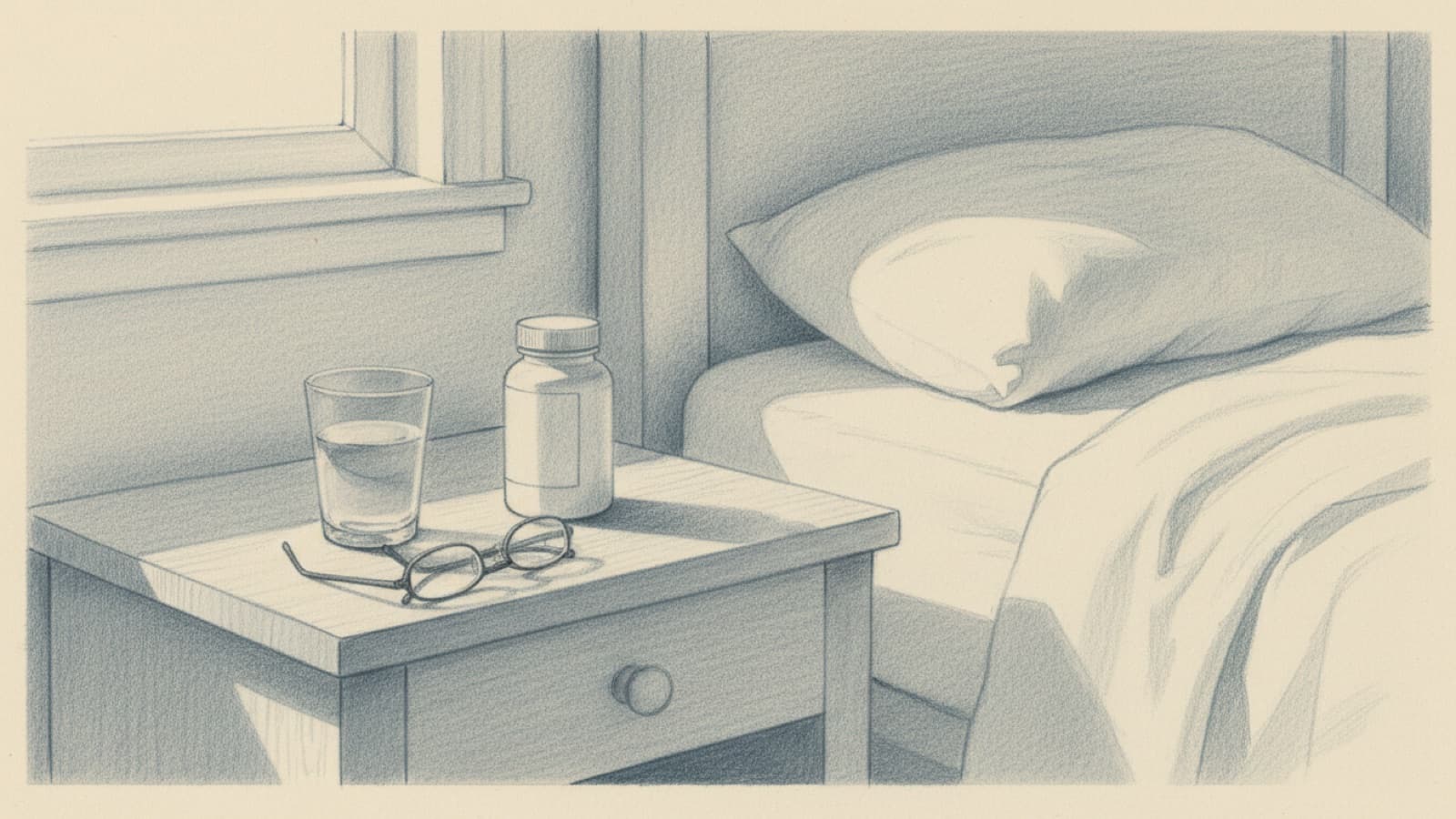
Why the label says up to 4 ounces, and what a bigger glass did in the manufacturer's tests.

Water only, 4 ounces, 30 minutes. What the label says, and what the morning looks like in practice.
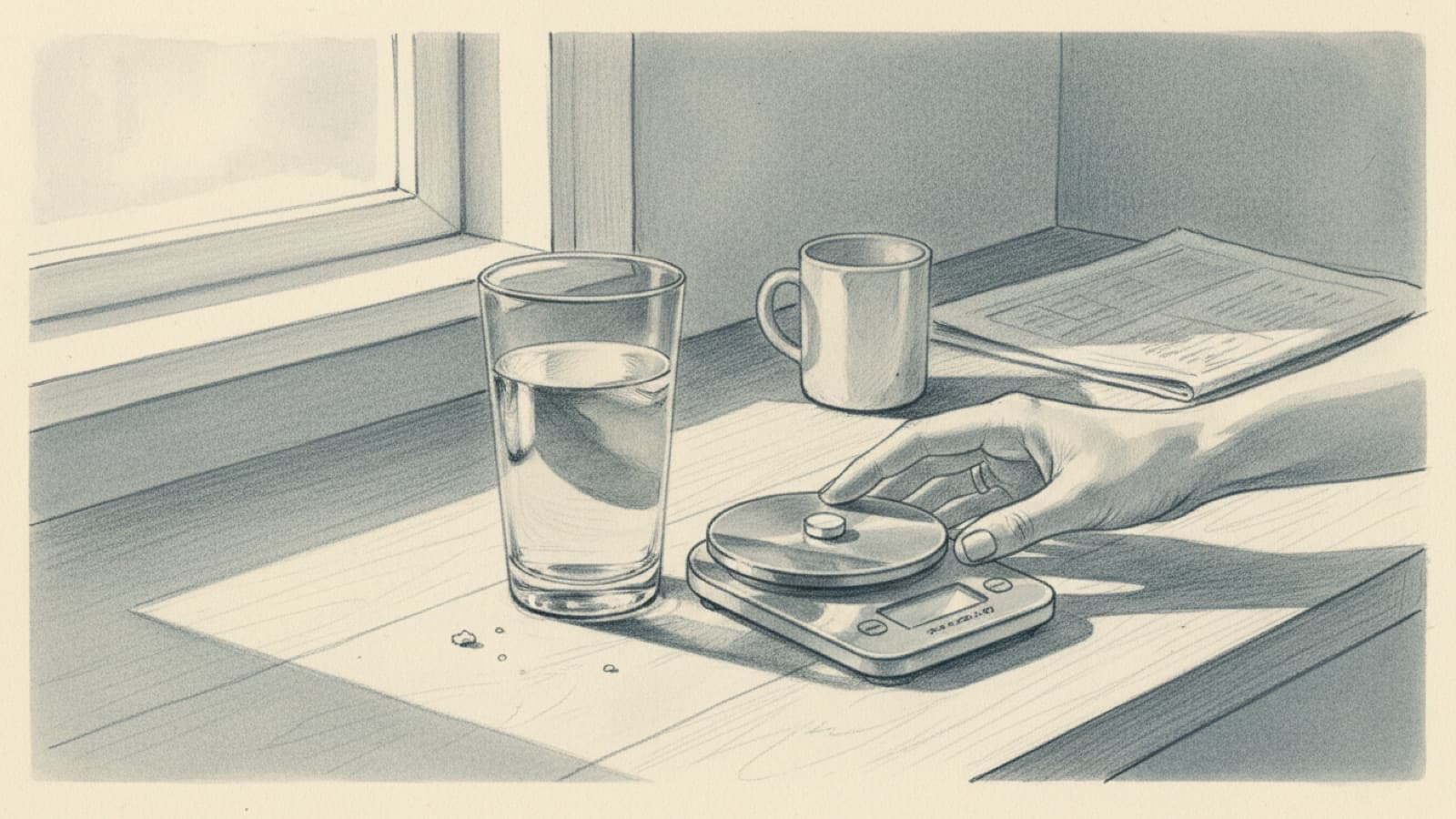
One to two percent, says the label, against 89 for the injection. The number behind every morning rule.
Oolite
The GLP-1 tracker for the pill and the shot.
The 30 minute timer, your shot day, the level chart and the dose reminder, on iPhone, with Apple Watch to log. Free to download, then a 14-day free trial.